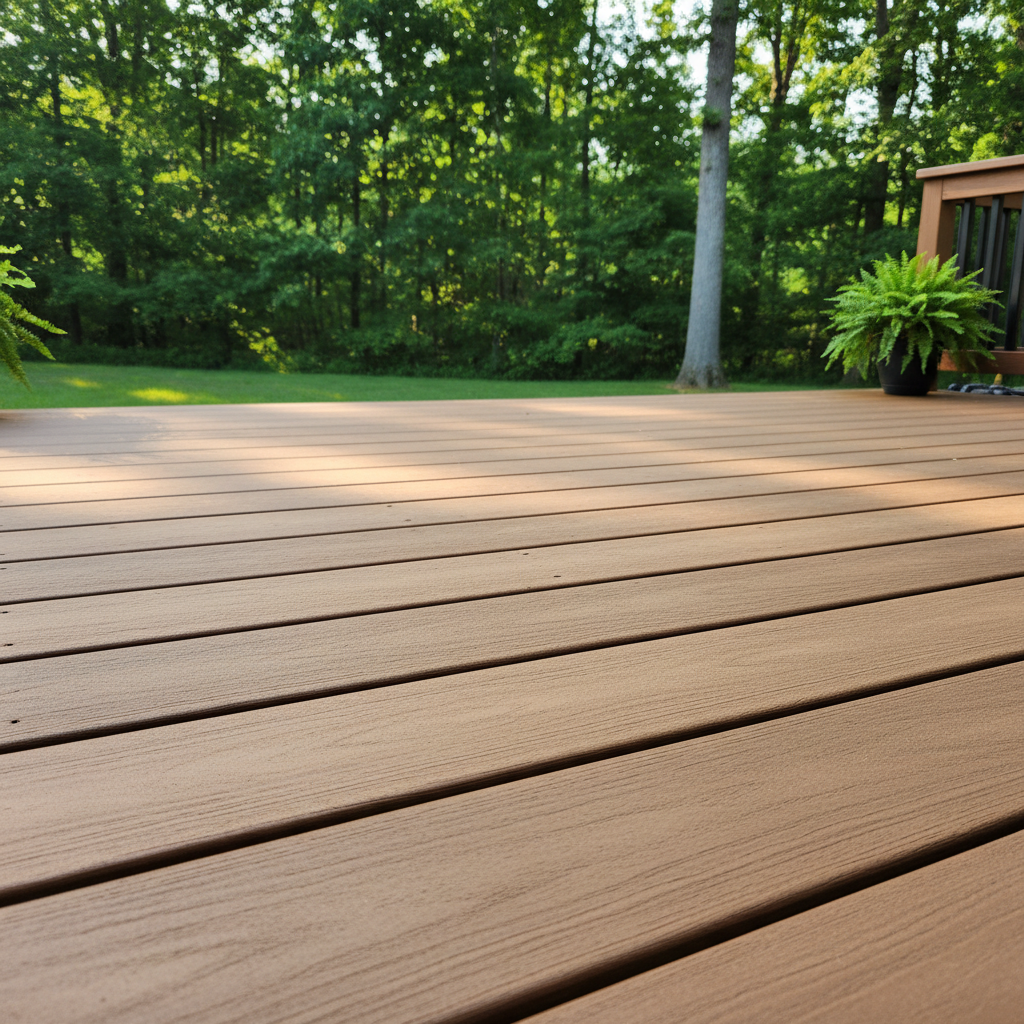
What exactly is Trex decking, anyway?
Alright, let's cut to the chase. When folks ask about Trex, they're usually talking about composite decking. It's not wood, and it's not plastic. It's a blend of recycled wood fibers and recycled plastic. Think of it as a super-engineered material that takes the best parts of both – the look and feel of wood, but with the durability and low maintenance of plastic. Trex is one of the biggest names in the game, and for good reason. They've been doing this a long time, and their products hold up.
How much does a Trex deck cost compared to traditional wood?
This is probably the number one question I get, and it's a good one. Upfront, a Trex deck is almost always going to cost more than a pressure-treated wood deck. Sometimes it's 20% more, sometimes 50% more, depending on the specific Trex line you choose and the complexity of your deck design. You're paying for that engineered material, the manufacturing process, and the warranty. However, here's where it gets interesting: over the lifespan of the deck, Trex often ends up being cheaper. Why? Because you're not staining it every couple of years, you're not replacing warped boards, and you're not dealing with rot or splinters. When you factor in the cost of materials, labor for maintenance, and your own time, that initial higher cost starts to look like a smart investment. It's a long-term play.
What kind of maintenance does a Trex deck actually need?
This is where Trex really shines. You don't need to sand it, stain it, or seal it. Ever. That's a huge relief for homeowners, especially with our Knoxville weather, where humidity can really take a toll on wood decks. Typically, all you need to do is give it a good cleaning once or twice a year. A little soap, water, and a soft-bristle brush usually do the trick. You can use a pressure washer on a low setting, but be careful not to get too aggressive, as you can damage the surface if you're not careful. For tougher stains, Trex has specific cleaning recommendations, but for the most part, it's just basic upkeep. No more weekend-long staining projects, which is a big win in my book.
Does Trex get hotter than wood in the sun?
Yep, it can. This is an honest answer you won't always hear from everyone. Some darker Trex colors, especially on a bright, sunny day, can get noticeably warmer than a light-colored wood deck. It's not usually a deal-breaker for most folks, but if you're planning on walking barefoot all summer long, especially if your deck gets direct afternoon sun, it's something to consider. Lighter colors tend to absorb less heat, so that's a good option if heat is a major concern for you. We've got plenty of hot, sunny days here in East Tennessee, so it's a valid point to bring up.
How long will a Trex deck last? What about the warranty?
Trex decks are built to last, plain and simple. Most Trex lines come with a 25-year limited residential warranty against material defects, fading, and staining. Some of their higher-end lines even offer a 50-year warranty. Now, a warranty is only as good as the company behind it, and Trex has been around for decades. In my experience with Alpha Decking, I've seen these decks hold up beautifully for a very long time. You're not going to see the rot, insect damage, or splintering you'd get with wood. With proper installation and basic cleaning, you can expect decades of enjoyment from your Trex deck.
Can Trex decking be installed over an existing deck frame?
Sometimes, but not always. This is a common question, especially for folks looking to save a bit on their renovation. The key here is the condition of your existing frame. If your current wood frame is solid, level, and meets current building codes, then yes, we can often use it. We'll inspect it thoroughly for rot, insect damage, proper spacing, and overall integrity. If the joists are too far apart for Trex's recommendations, or if there's any sign of structural weakness, then we'll need to reinforce or replace parts of the frame. You don't want to put a beautiful, long-lasting Trex deck on a shaky foundation. It's always best to have a professional like us come take a look before you make any assumptions.
What about fading and scratching?
Trex has come a long way in addressing these concerns. Their newer lines, especially the capped composites, have a protective shell that makes them much more resistant to fading and staining than older composite products. You'll still get some minor fading over time, just like anything exposed to the sun, but it's usually very uniform and minimal. As for scratching, it's pretty durable, but it's not indestructible. If you drag heavy furniture across it, drop sharp tools, or have pets with really sharp claws, you can get scratches. The good news is that minor scuffs often blend in over time, and deeper scratches can sometimes be minimized with specific cleaning products or techniques. It's tougher than wood in many ways, but it's not bulletproof. Just treat it with reasonable care, and it'll look great for years.